Pupil leadership
At Lift Trinity we value our pupils views and opinions and we strive to give them as much input into running the school as possible.


At Lift Trinity we value our pupils views and opinions and we strive to give them as much input into running the school as possible.

At Lift Trinity we value our pupils views and opinions and we strive to give them as much input into running the school as possible. Children have an active voice in the school and are consulted about their opinions for how we can make the school even better.
We have a pupil leadership pathway that gives children the opportunity to gradually increase the level of responsibility they take on as they progress through the school. Out pupils can begin with being a class champion, responsible for a certain area of the class and build up to being school captain, the most high profile of our pupil leadership roles.

Class Responsibility
The first rung of the student leadership pathway is a class responsibility. This will be a role taken on in class where students have their first opportunity to develop leadership skills. They will have a small responsibility in their classroom and the opportunity to have some ownership over the running of the class. The main responsibility roles will be those of class champions, however staff may want to give other small leadership roles in their class.
Class Champions
The role of a class champion gives children the first opportunity to experience leadership in the school. The will begin to use leadership skill such as communication, organisation, responsibility and reflection.
Class champions are elected each half-term to give children a range of leadership experiences and to ensure they retain the enthusiasm for the job. Staff should try to ensure that as many children as possible have the opportunity to lead during the year. Information from the previous year will be passed on so all children can experience leadership over a 2 year cycle.
Reading Champions
The reading champion is responsible for the books in the classroom, including ensuring the the book corner is kept tidy and organised. They will have the opportunity to read to the class on a regular basis (class teacher will decide what is appropriate) and come up with ideas for promoting reading in class.
Eco Champions
The Eco champions works to ensure they are following the advice of the eco committee. They work closely with the eco warriors and encourage their class to reduce, reuse and recycle!
Resources Champions
The resources champion takes responsibility for the resources in the classroom. They make sure everything is tidied away and kept in good condition. They make sure pencils are sharp and whiteboards are clean so that everything is ready to use.
Resources Champions
The communication champion ensures messages are passed on effectively around the school. They have responsibility for collecting and returning the register and bring any other messages to and from the office. They will read letters and messages to the staff when information needs to be communicated.
Whole School responsibility
Whole school responsibilities is the next step up in student leadership. Students will have a role that will impact on an area outside their own classroom.
The selection process for each role will be different, depending on the role and the expectations of it.
The roles that exist in school are not set in stone (apart from school council) and
Some examples of whole school responsibilities include:
House captains are the lead representative of their house in school.
Selection Process
Selection Criteria
Roles and responsibilities
The role of school captains are the most prestigious leadership roles in the school. They are for students who have been an outstanding example of what is expected from students at Lift Trinity. They will play a highly active role in the running of the school.
Selection Process
Selection Criteria
Roles and responsibilities
Every child at Trinity belongs to one of 4 houses. Each house is named after a Londoner who has made a significant contribution to wider society. Being a member of a house gives children the feeling of being part of a team and they can look up to their house captain as a role model. Children are awarded house points for excellent work or fantastic achievements and these go towards the awarding of the House Cup at the end each term. Children also compete in house events throughout the year such as the house spelling bee or sports day.
Ade Adepitan is an accomplished wheelchair basketball player. He was a member of Great Britain team that won the bronze medal at the 2004 Summer Paralympics in Athens and the gold medal at the 2005 Paralympic World Cup in Manchester. He is now a TV presenter and activist. Adepitan does a lot of charity work, particularly supporting many charities to help other people with physical disabilities.
Sir David Attenborough is an English broadcaster and naturalist. He is best known for writing and presenting, nature documentaries and films. He is the only person to have won BAFTAs for programmes in each of black and white, colour, HD, 3D and 4K. He is a campaigner against climate change and global warming.
Rosalind Franklin was an English chemist and X-ray crystallographer who made contributions to the understanding of the molecular structures of DNA (deoxyribonucleic acid), RNA (ribonucleic acid), viruses, coal, and graphite. Although her works on coal and viruses were appreciated in her lifetime, her contributions to the discovery of the structure of DNA were largely recognised posthumously.
Shirley Thompson is an English composer, conductor and violinist. Her output as a composer encompasses symphonies, ballets, operas, concertos, and other works for ensembles, as well as music for TV, film, and theatre. Thompson became the first woman in Europe to have composed and conducted a symphony within the past 40 years. Also an academic, she is currently Reader and Head of Composition and Performance at the University of Westminster.

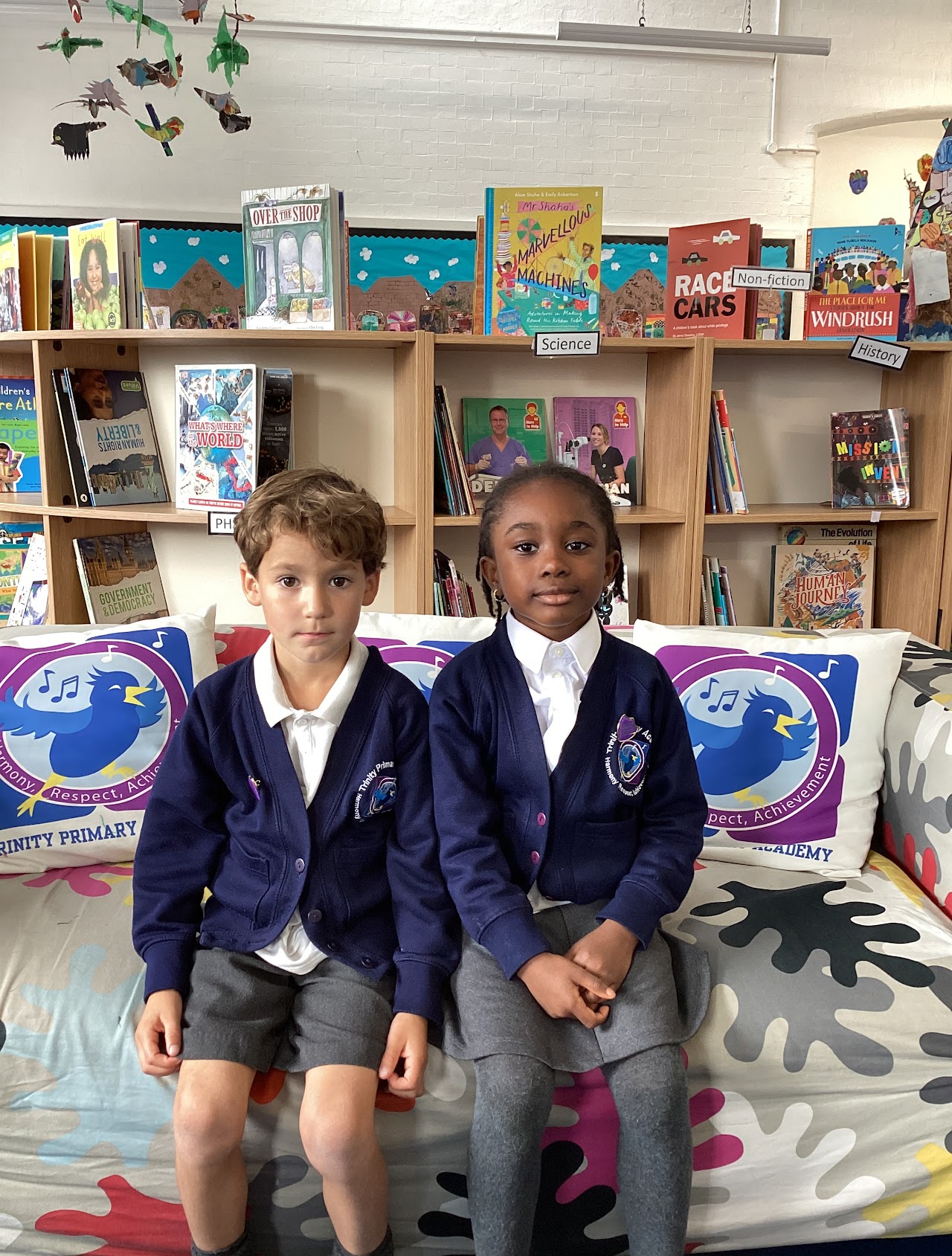
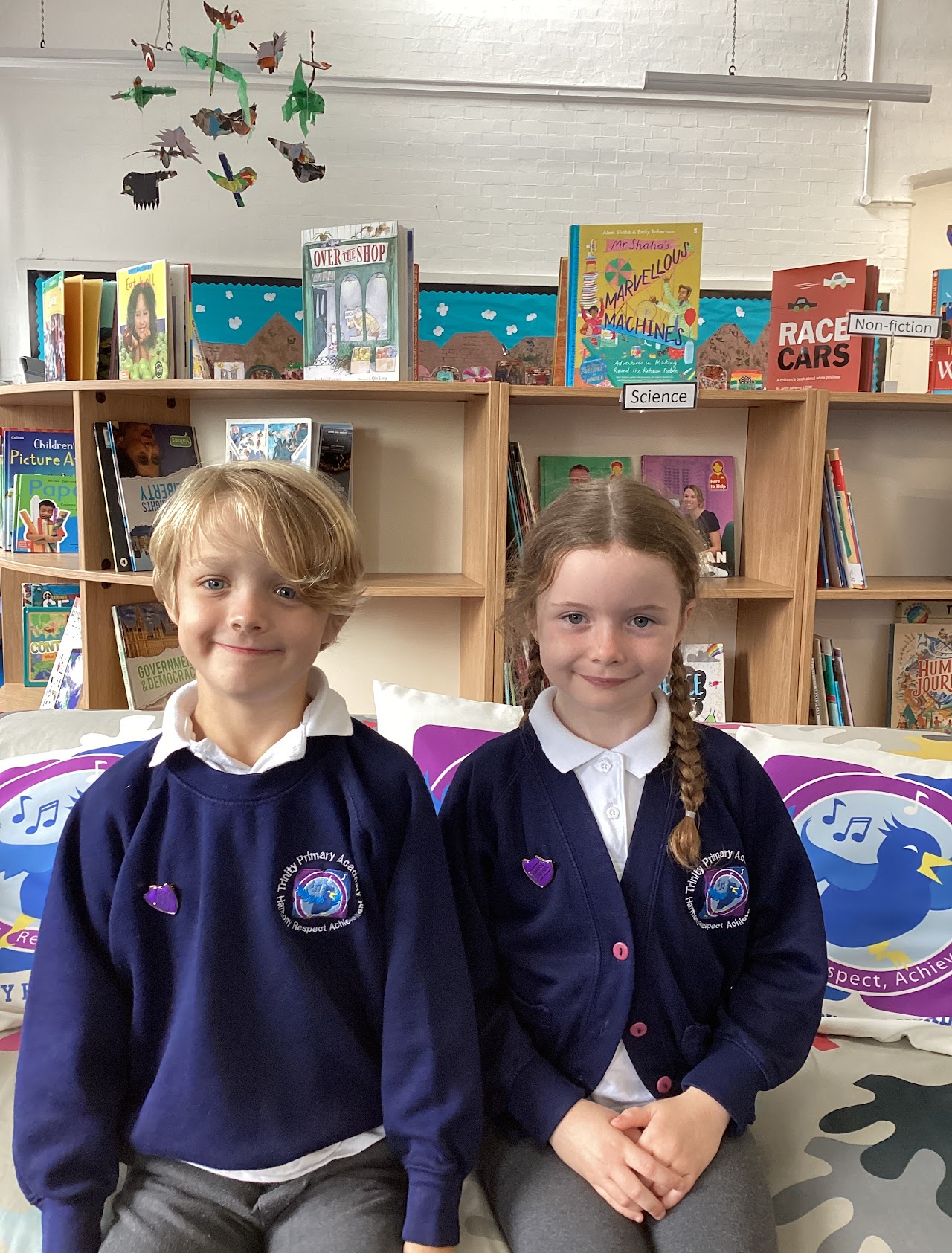
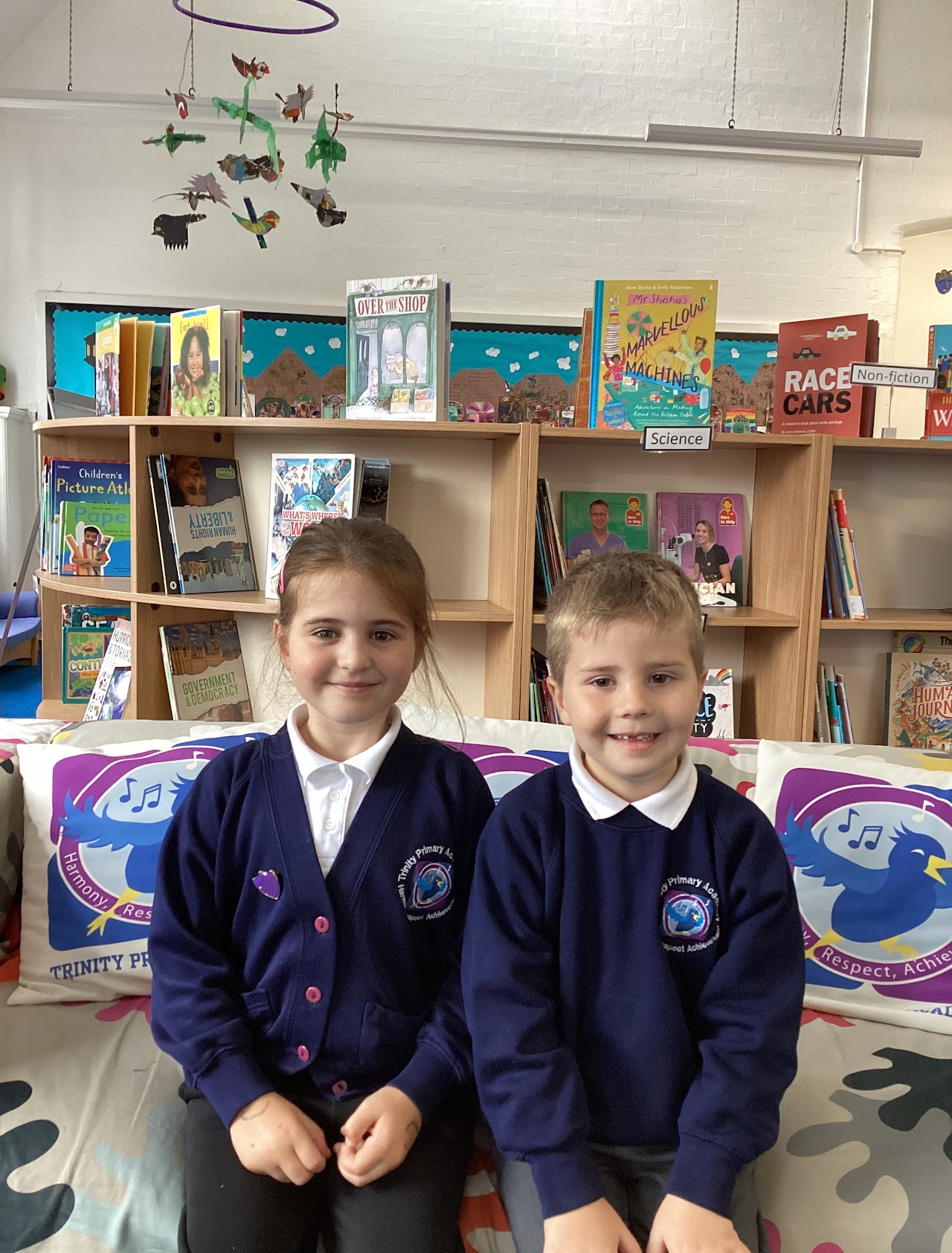

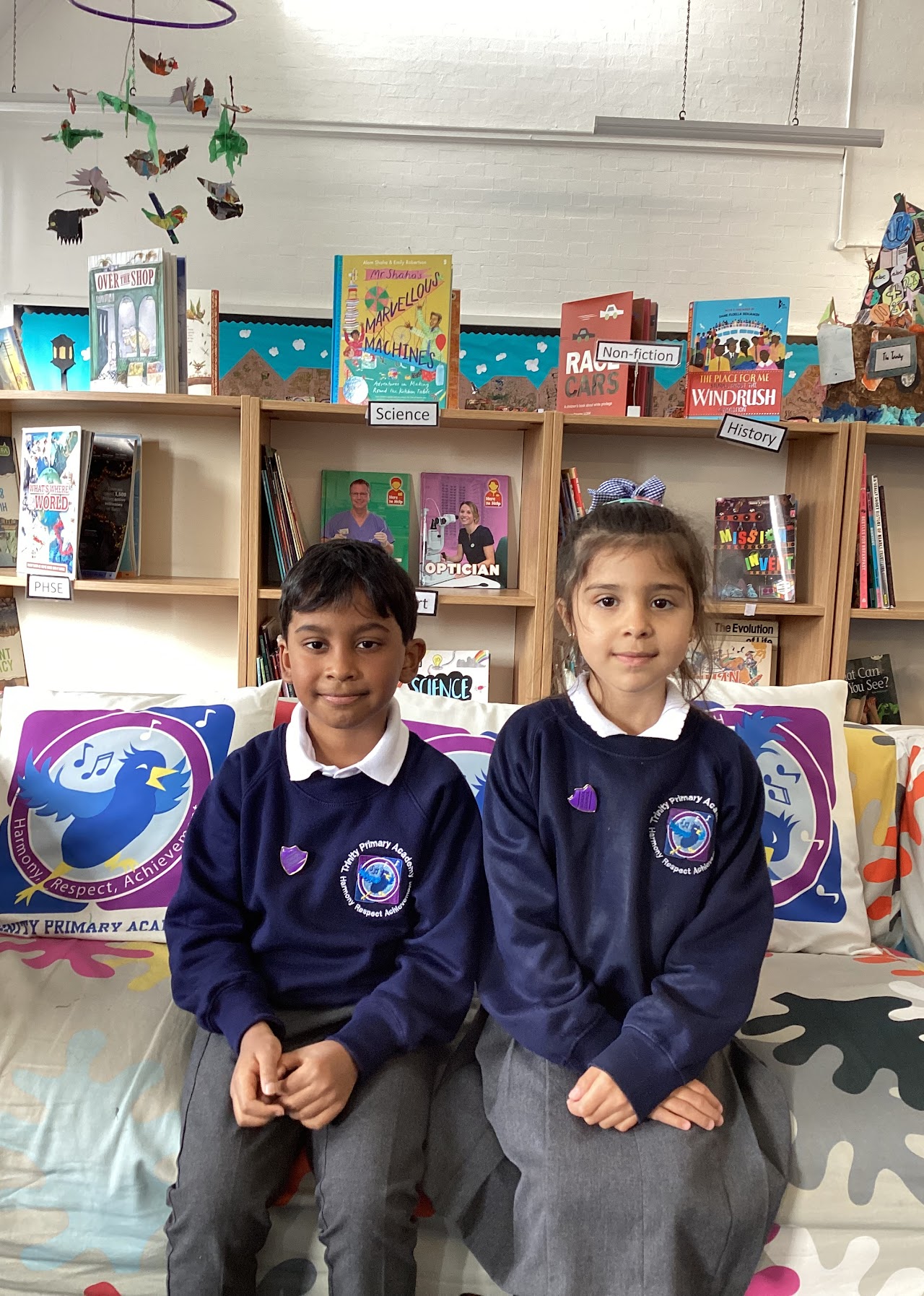
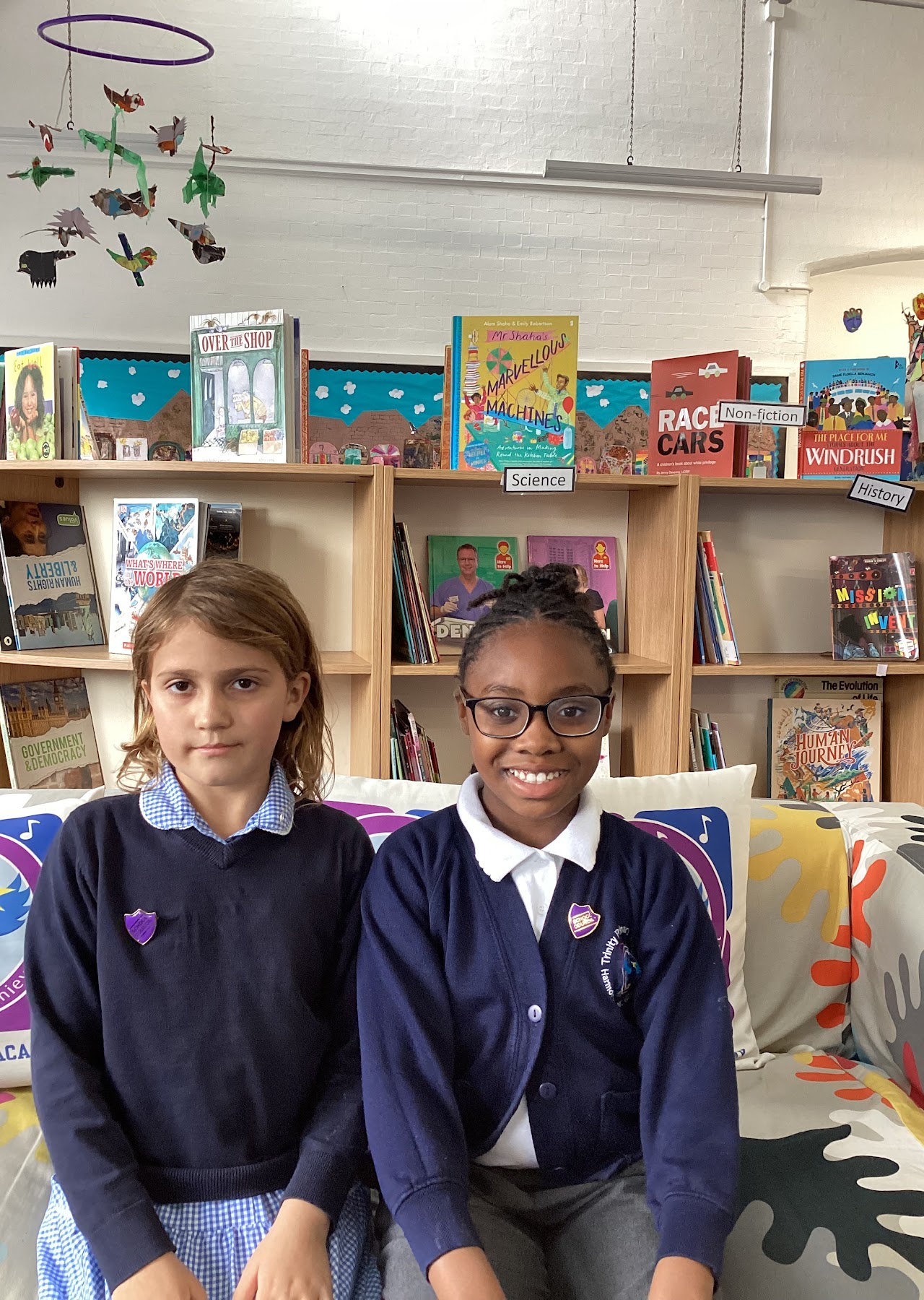
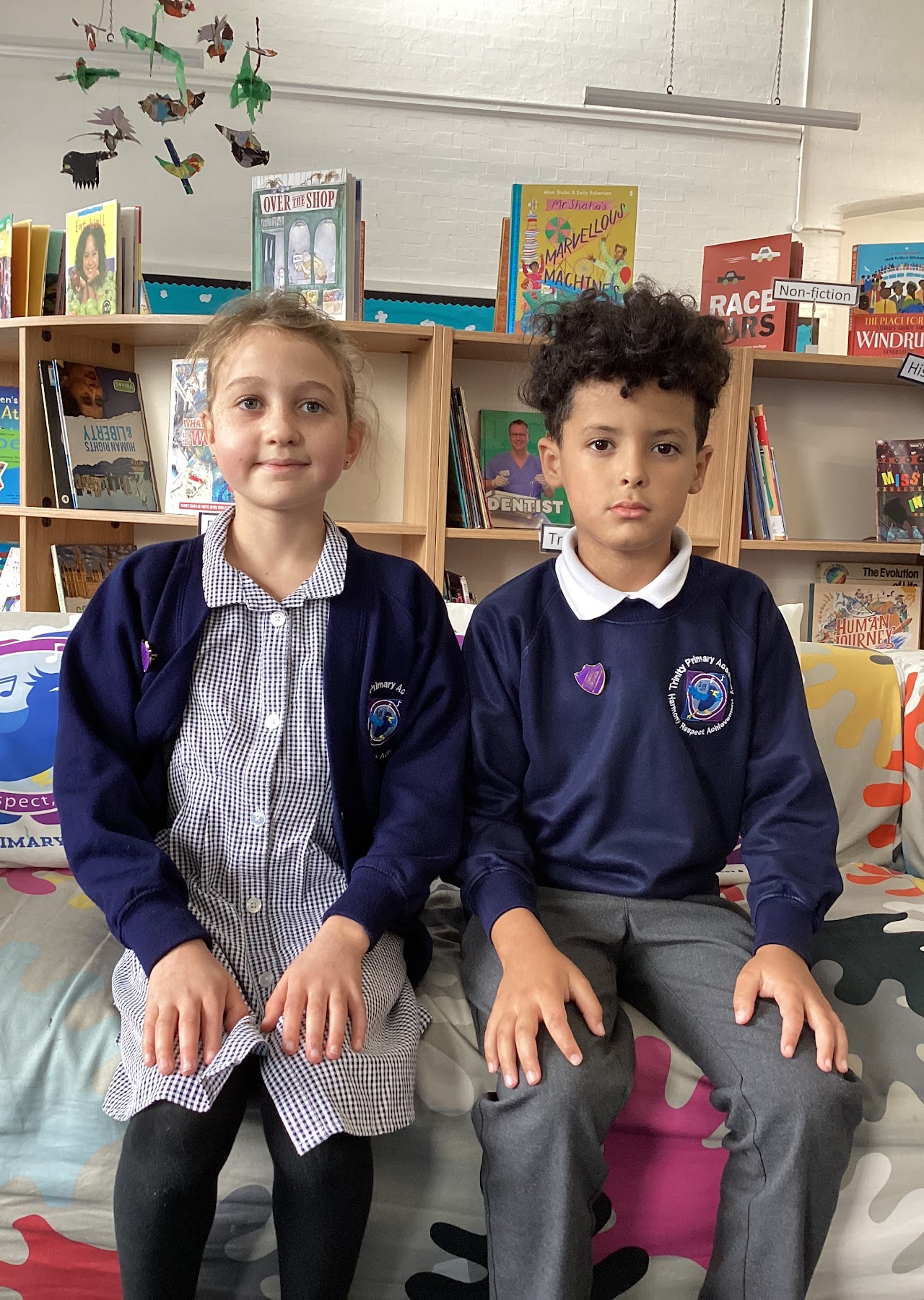
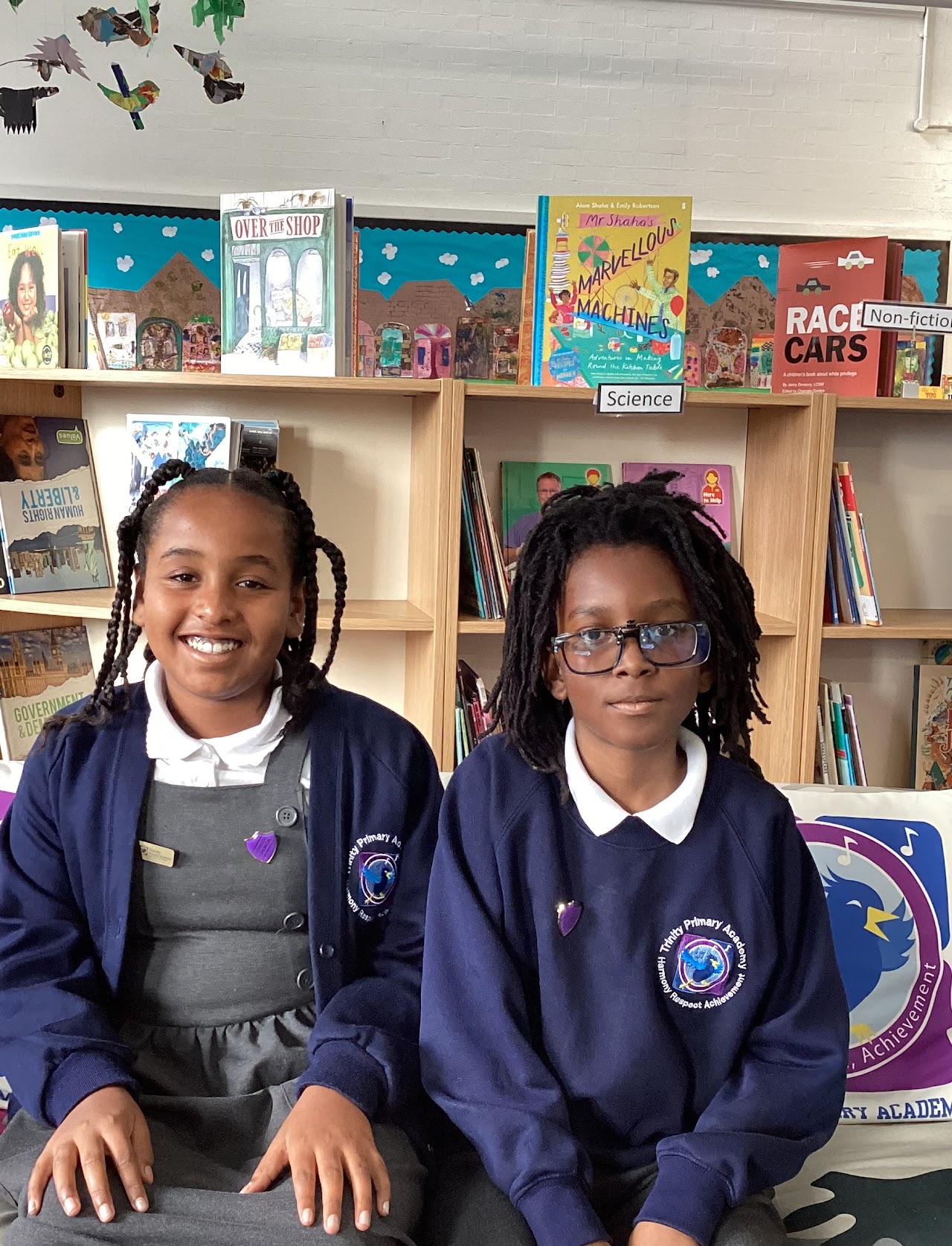
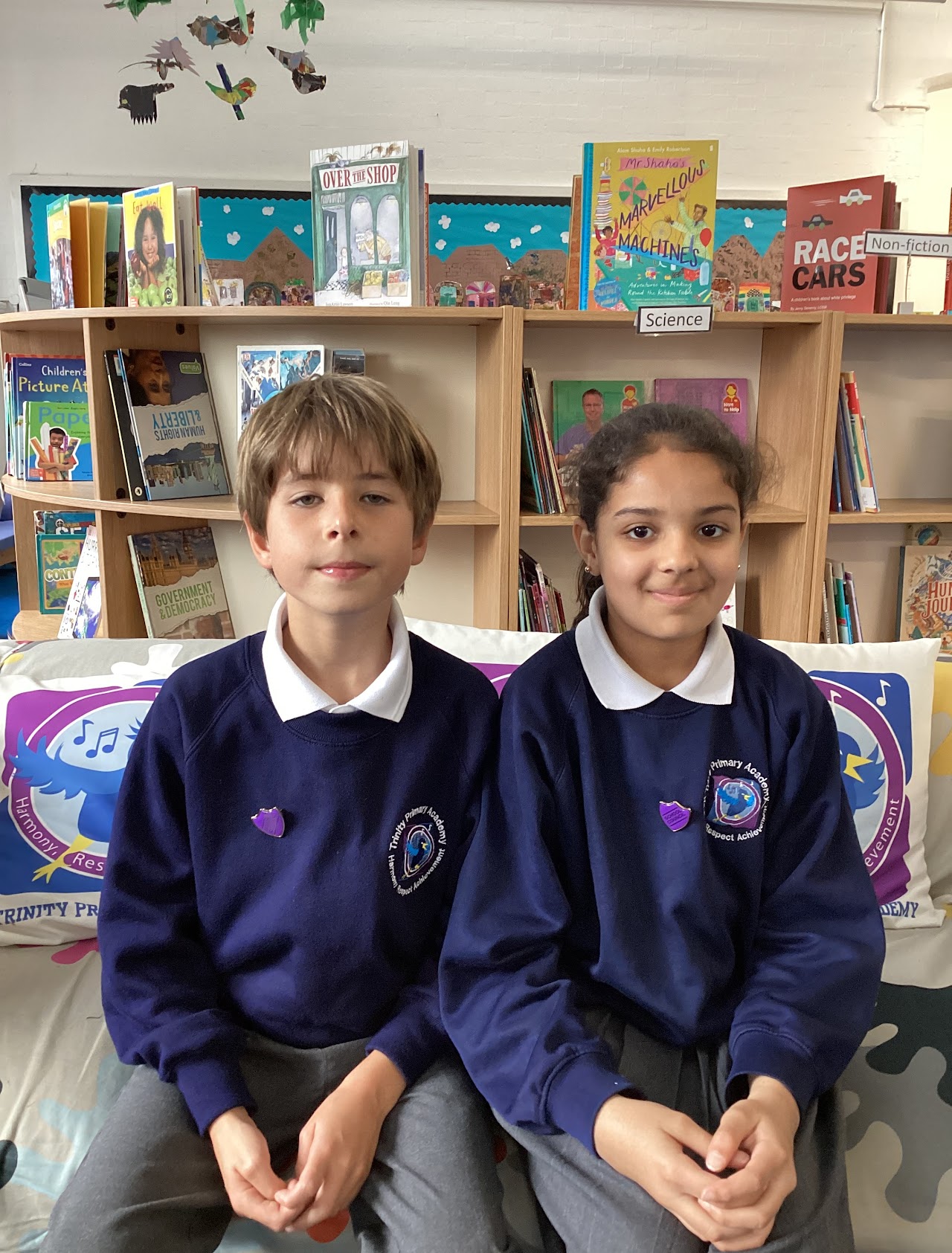
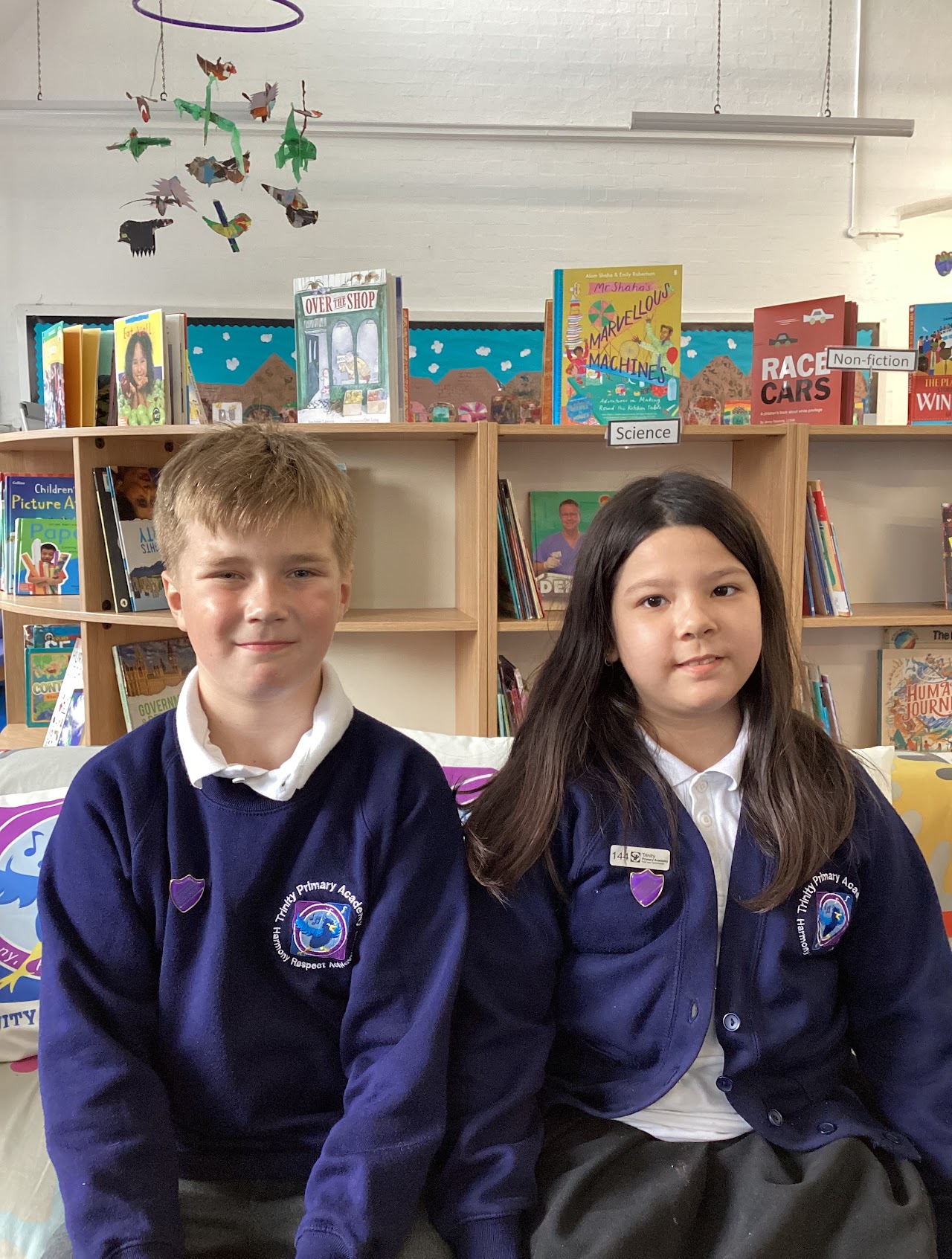

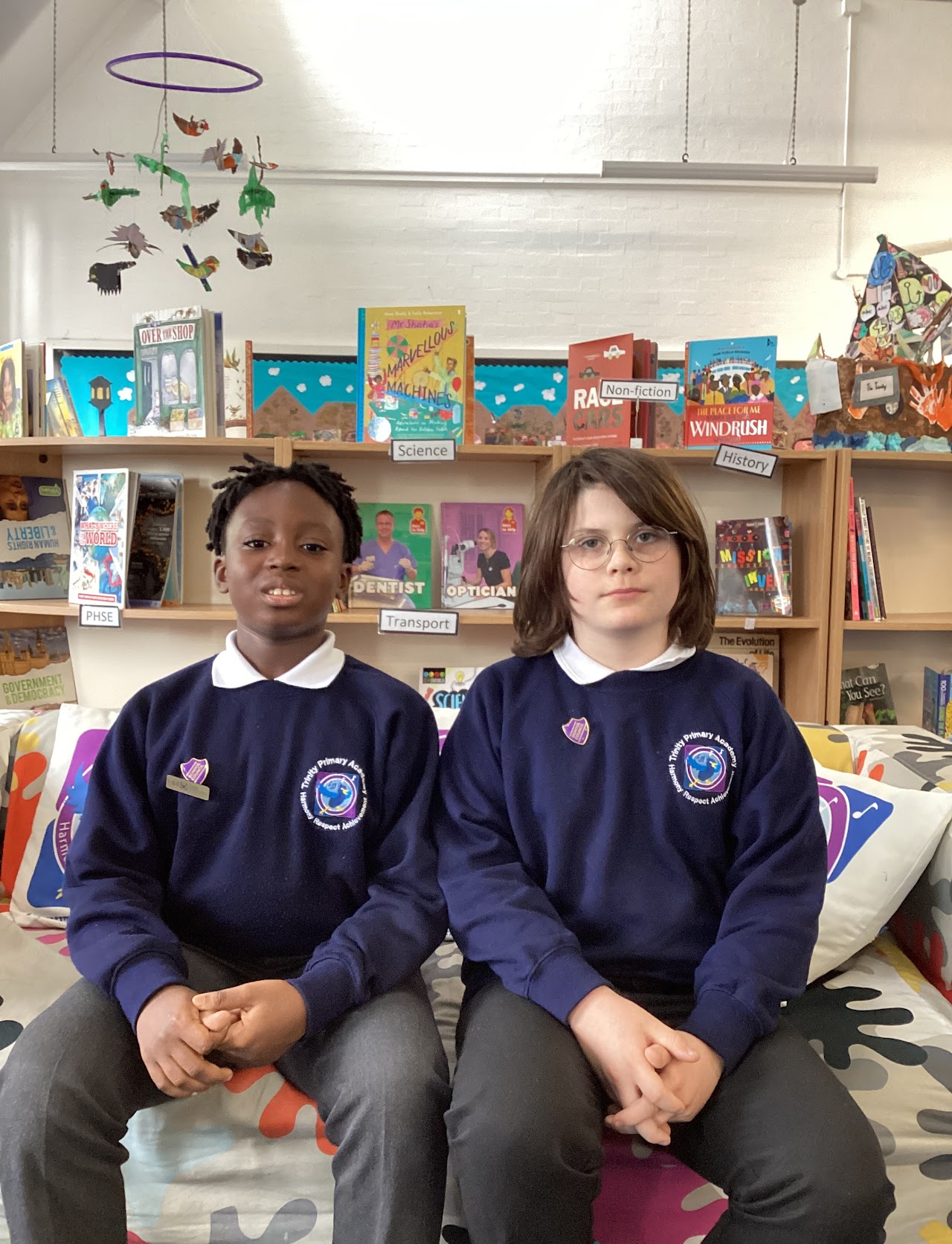
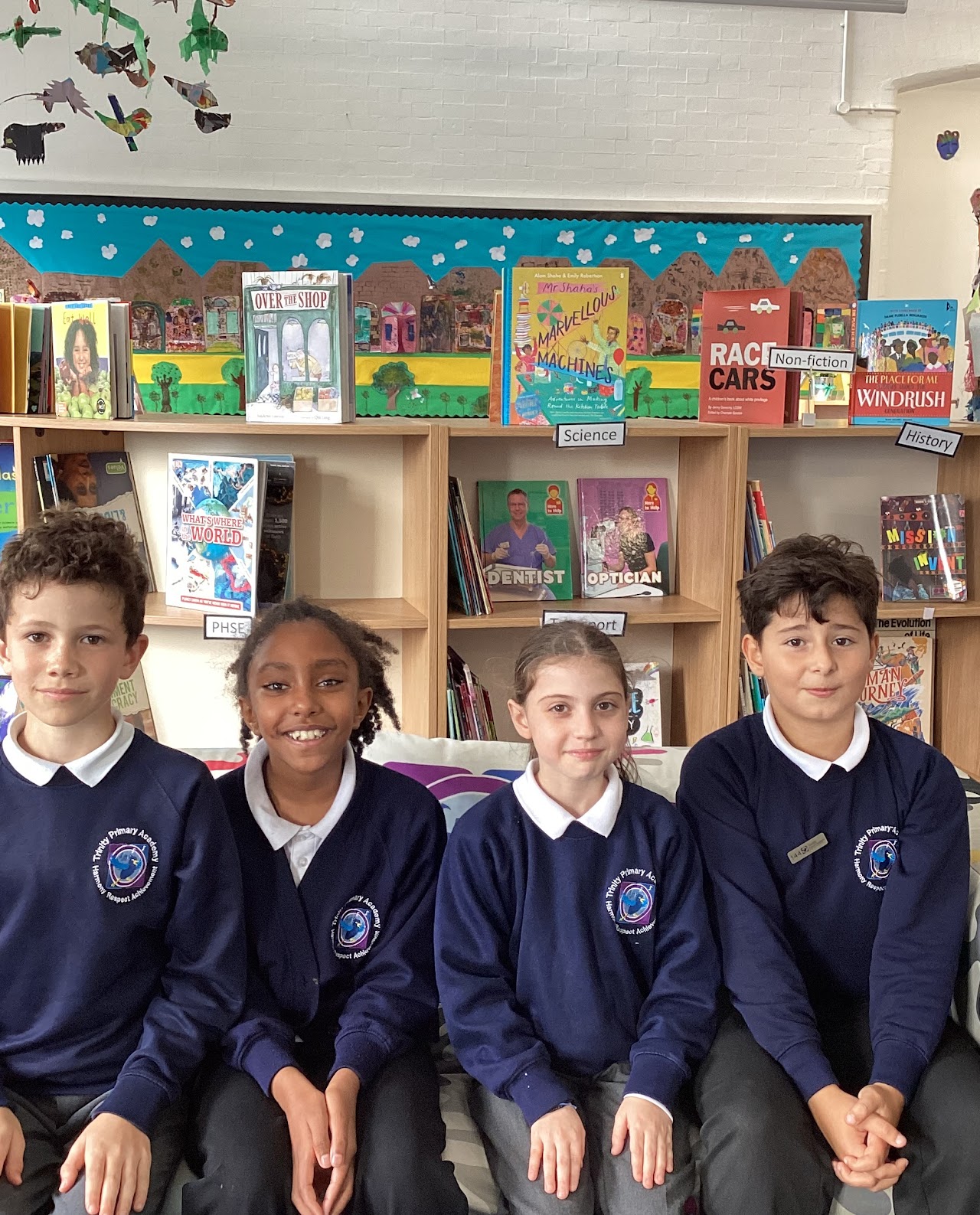
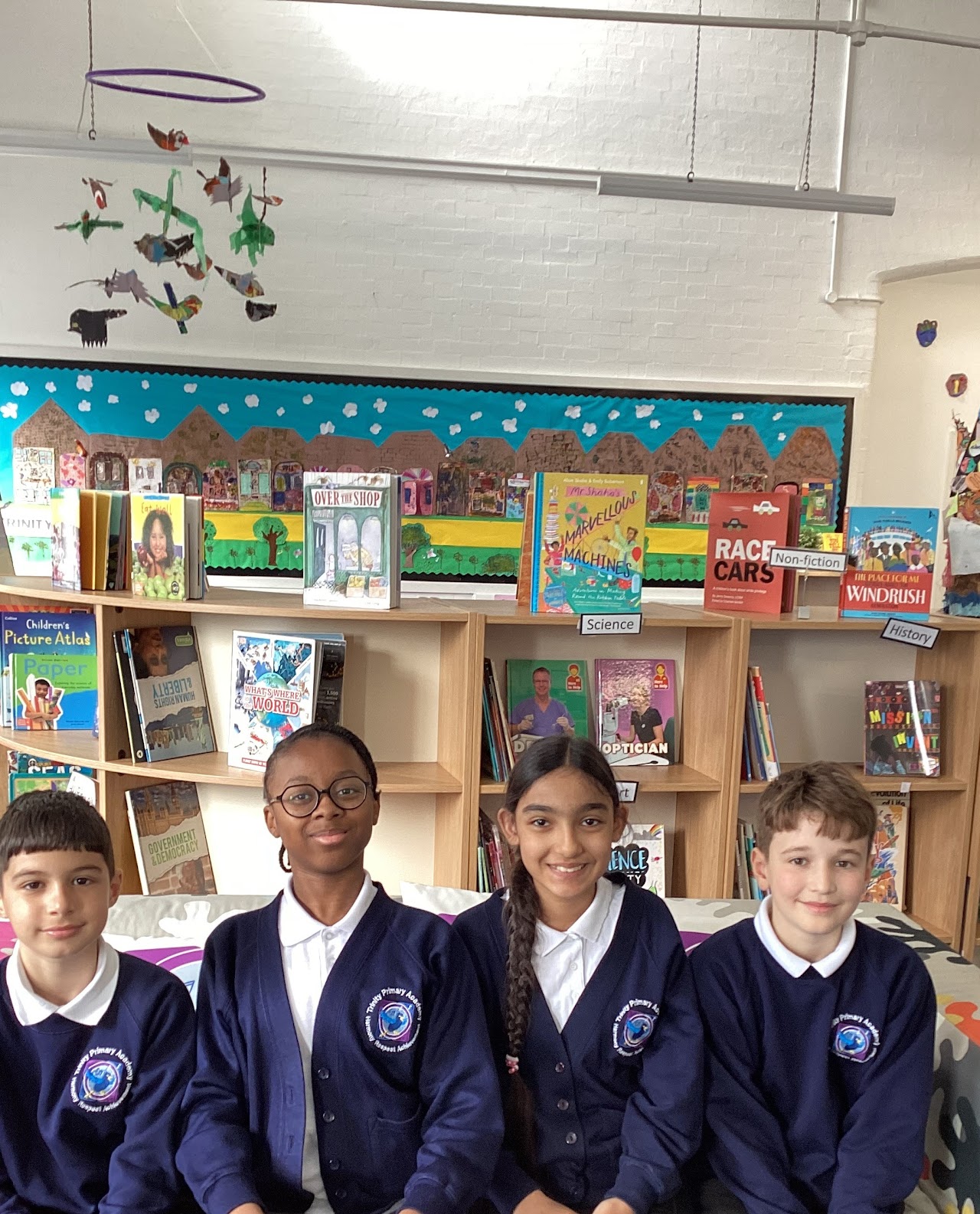
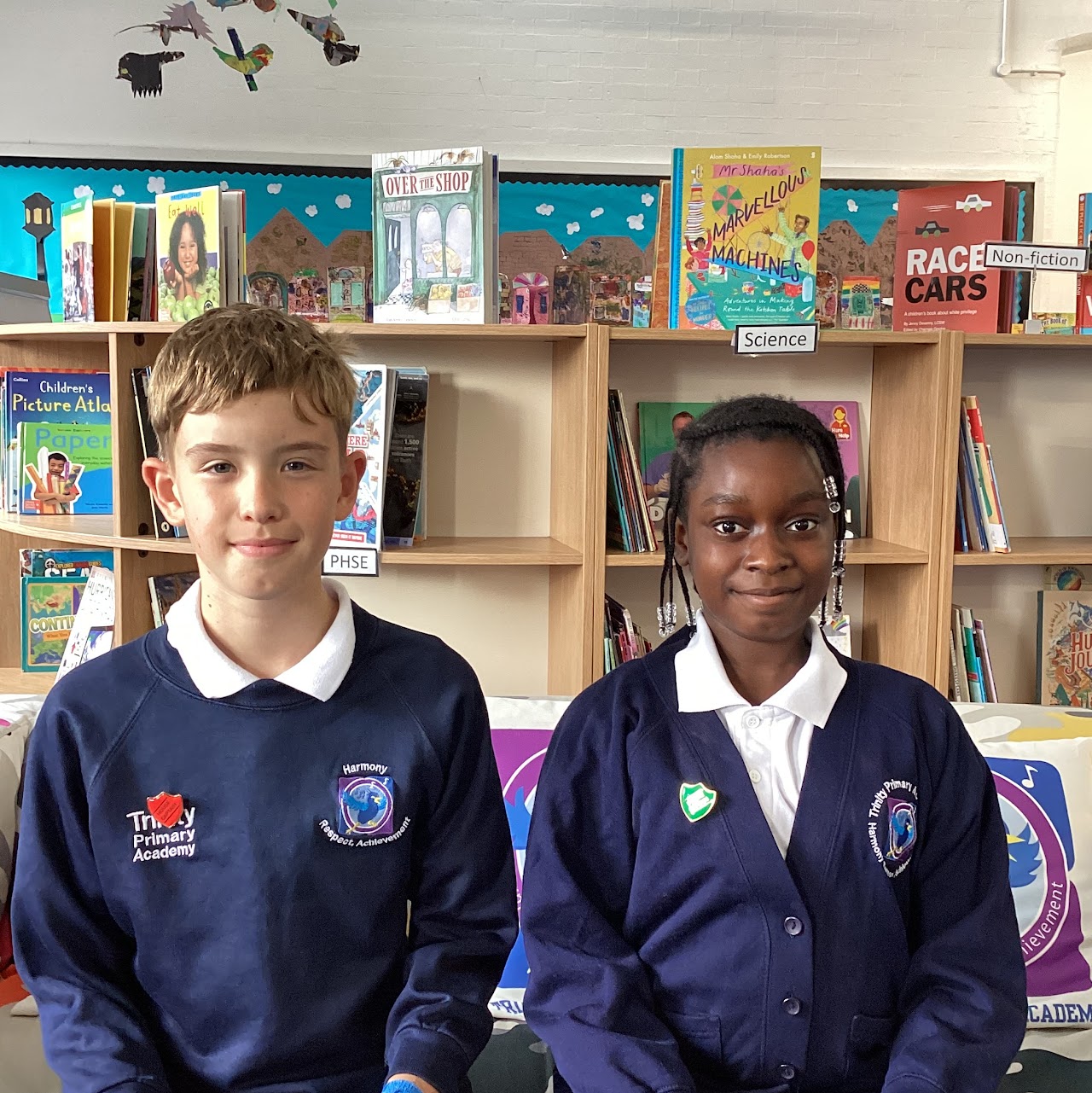
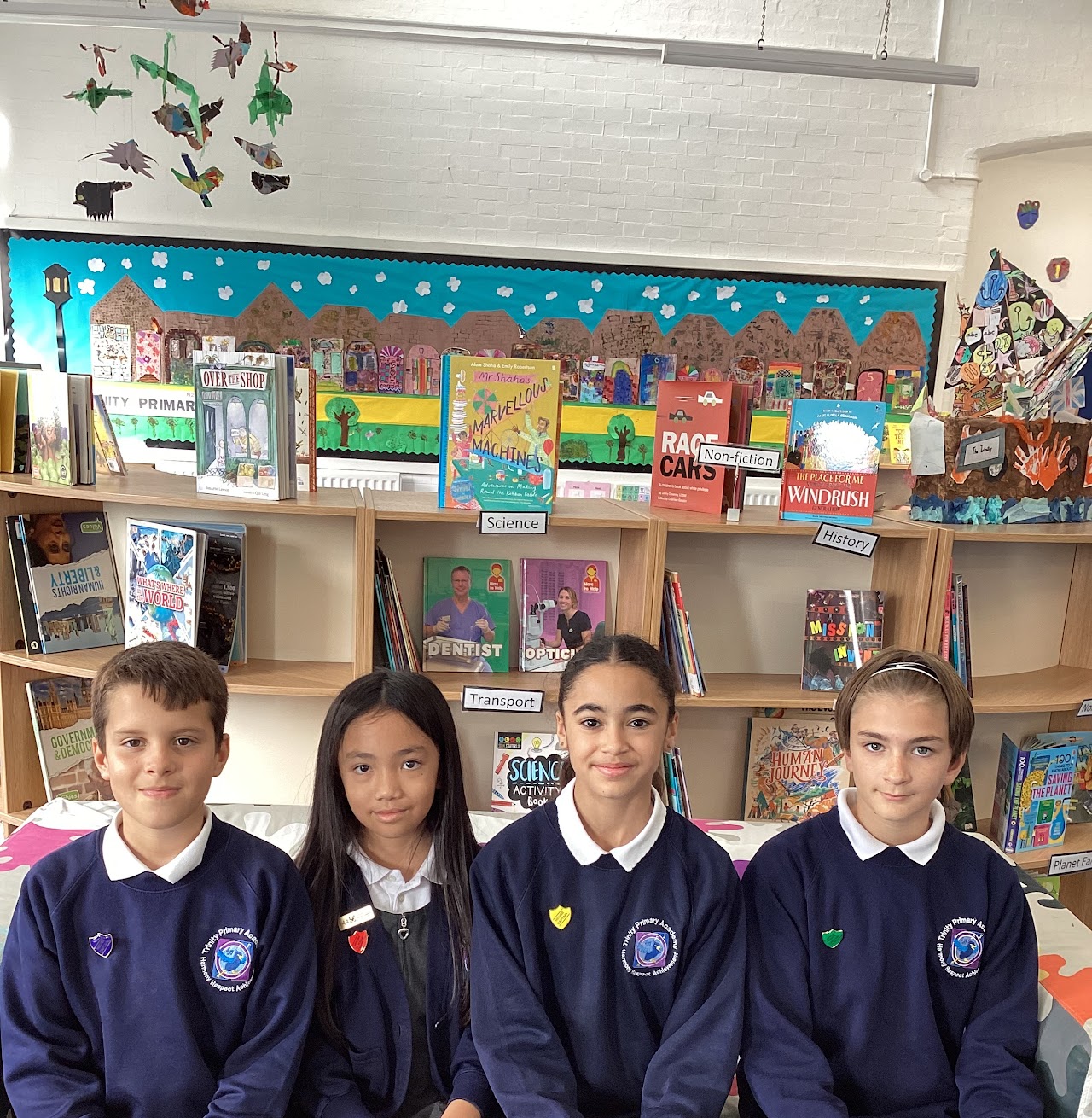
At Trinity our school council play a vital role in ensuring all children have their voice heard. They meet fortnightly to discuss school issues as well as any that may have risen in class. Each class is represented by 2 school council members who nominated themselves and were voted in by their peers.
All our pupils have an opportunity to play an active role in decisions that affect their learning and well-being. Our School Council plays an essential part in ensuring our pupils have a greater say over matters that affect their academy life and education. In this way, our children have a greater sense of belonging, become more confident when putting forward ideas and develop a greater understanding of the need to work co-operatively for the good of others.
The School Council is proud of representing the pupil’s voice at Trinity Primary Academy and thrives to achieve better things to make our academy as good as it can possibly be.
Our Councillors will always be available to listen to new suggestions, ideas, etc from pupils, staff and parents.
.jpg)



Lift Trinity,
Bounds Green Road,
Wood Green,
N22 8ES.